
Trézor.io/Start — Starting Up™ Your Device | Trezor®
Use Trezor.io/start for clear guidance on connecting your Trezor device and completing the initial wallet setup.
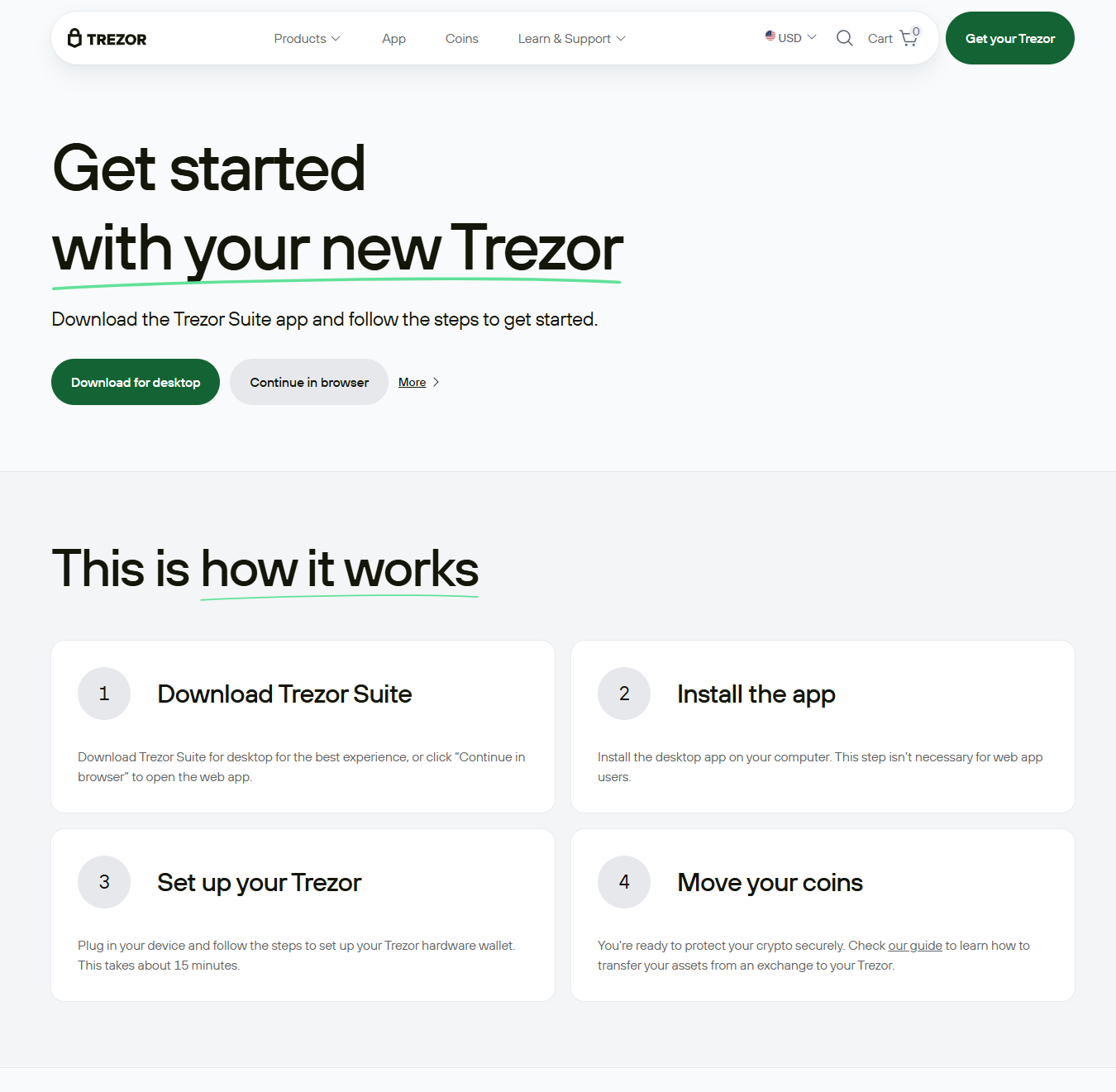
Trezor.io/start: Build a More Secure Routine From the First Setup
A hardware wallet setup is more than an installation task. It is the beginning of a personal security routine for managing digital assets. Trezor.io/start can help users become familiar with the initial preparation process, device configuration, recovery practices, and transaction safety principles involved in cryptocurrency self-custody.
Verify the Setup Destination
Before connecting your device, carefully confirm that you are using an authentic Trezor website or trusted software source. Pay close attention to the spelling of the web address, particularly when accessing wallet-related pages.
Do not rely on setup links sent by strangers or unsolicited support accounts. Fraudulent websites can imitate genuine services and request information that should remain private.
Work Through the Setup Methodically
Once you begin, follow the instructions appropriate for your hardware wallet model. Read prompts on the device carefully and make sure you understand an action before confirming it.
Keeping the setup process methodical can help you notice unexpected requests and avoid accidentally approving something you did not intend to authorize.
Keep Recovery Information Offline
Your recovery phrase is an essential component of wallet recovery. Follow the recommended procedure for recording it and keep the information in a secure, private location.
Do not type your recovery phrase into websites, online forms, email, cloud storage, messaging applications, or other internet-connected services. Digital copies can create unnecessary security risks.
Never send your recovery phrase to someone who claims they need it for wallet activation, troubleshooting, validation, or recovery.
Essential Practices for New Users
A strong starting routine includes:
- Verifying wallet resources before use
- Keeping recovery information offline
- Reading hardware-wallet prompts carefully
- Using trusted software sources
- Checking transaction information before approval
- Treating unexpected support messages cautiously
Make Verification Part of Every Transfer
When approving a transaction, inspect the details displayed on your hardware wallet. Confirm that the recipient, amount, and network correspond with your intended transfer.
If the device displays information that you did not expect, stop before signing. Take time to determine why the details differ instead of approving the transaction automatically.
Recognize Suspicious Requests
Scammers may use urgent language to convince users that their wallet requires immediate action. Messages about account problems, security emergencies, rewards, or recovery services should be approached carefully when they come from unknown sources.
Never allow an unexpected message to pressure you into revealing confidential credentials. Access trusted resources independently when you need assistance.
Conclusion
Trezor.io/start can help users approach hardware wallet setup with greater structure and security awareness. Verifying authentic resources, protecting recovery information, carefully reviewing device prompts, and checking transactions before approval are valuable practices for responsible crypto self-custody.
Additional Resources
For device-specific setup instructions and security guidance, refer to official Trezor documentation and trusted resources. Always verify the source before downloading software or entering sensitive information.
Crypto Security Reminder
Never share your recovery phrase or private keys. Keep sensitive wallet information offline and protected from unauthorized access.
Updated about 6 hours ago