
Trézor.io/Start — Starting Up™ Your Device | Trezor®
Explore useful setup resources at Trezor.io/start for a smoother introduction to your Trezor hardware wallet.
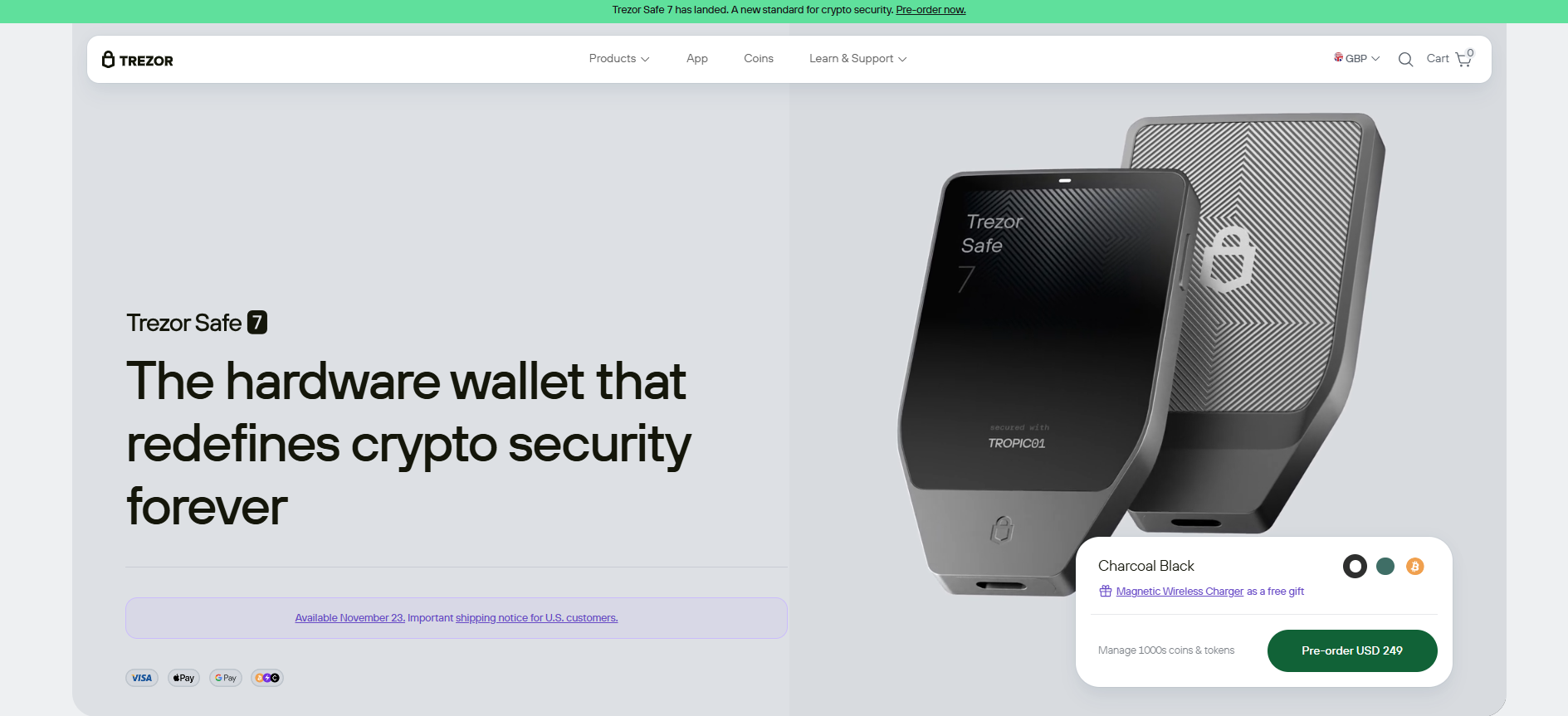
Trezor.io/start: Establish a Secure Workflow for Your Crypto Wallet
A hardware wallet can help cryptocurrency users maintain direct control over their digital assets while keeping important security operations within a dedicated device. For anyone beginning this process, Trezor.io/start offers a useful starting point for learning about wallet preparation, initialization, and responsible self-custody practices.
Begin With a Trusted Source
Before setting up your device, verify that you are using the legitimate Trezor website and appropriate software. Carefully inspect the web address and avoid links supplied by unknown individuals or unsolicited messages.
Fake wallet pages can closely resemble authentic services. They may use familiar logos, urgent warnings, or requests for confidential information to create a sense of trust.
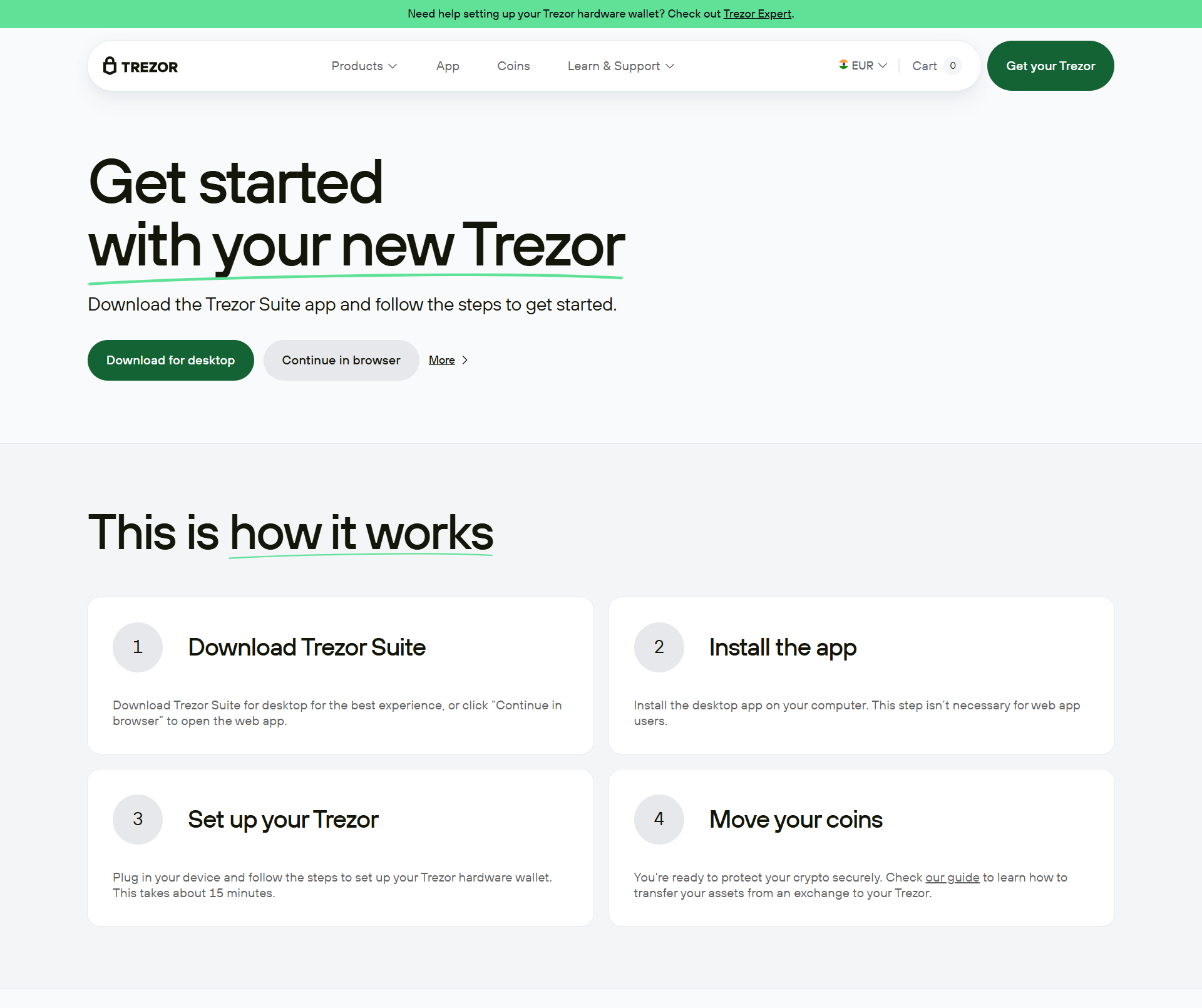
Prepare Your Device
Connect and initialize the hardware wallet according to the instructions provided for your particular device. Read each prompt carefully and avoid skipping security-related steps.
Using a trusted computer and keeping your operating environment updated can also contribute to a more controlled setup experience.
Secure Your Recovery Information
One of the most important parts of hardware wallet ownership is protecting your recovery information. Record your recovery phrase through the recommended offline procedure and keep it in a private, secure location.
Never copy the phrase into a website or store it in an online document. Avoid screenshots, photographs, cloud storage, email, and messaging applications.
Anyone who asks for your recovery phrase should be treated with caution, including people claiming to provide technical support.
Build Better Wallet Habits
A thoughtful setup process can help users develop habits such as:
- Checking website addresses before signing in
- Obtaining software from trusted sources
- Keeping recovery information offline
- Reviewing hardware-wallet prompts
- Avoiding unsolicited support requests
- Verifying transaction information before approval
Review Transactions on the Device
Before confirming a cryptocurrency transaction, carefully examine the information presented on your hardware wallet. Check the recipient address, transaction amount, network, and any other relevant details.
If the information differs from what you intended, do not approve the transaction. Investigate the issue first and make sure the details are correct.
Protect Your Wallet Beyond Setup
Wallet security requires continued attention. Keep supported software and firmware maintained through trusted channels, use strong security practices on your computer, and remain cautious when installing extensions or applications.
Be skeptical of messages claiming that your wallet is compromised or that immediate action is required. Instead of following an unsolicited link, independently locate trusted support information.
Conclusion
Trezor.io/start can provide a useful introduction to the process of preparing a hardware wallet and developing responsible cryptocurrency management habits. Careful verification, private recovery storage, device-based transaction review, and awareness of phishing attempts all contribute to a more disciplined self-custody routine.
Additional Resources
For device-specific instructions and security information, consult official Trezor documentation and trusted resources. Verify the source before downloading software or providing any confidential information.
Crypto Security Reminder
Your recovery phrase is private and should remain offline. Never share it with websites, support agents, friends, or anyone requesting access to your wallet.
Updated about 6 hours ago